Your cart (0)
Your cart is empty
Tax included and shipping calculated at checkout

Drawer menu
Your cart is empty
Tax included and shipping calculated at checkout

Best overall: an enclosed, WRX-specific intake with confirmed calibration support. Best for sound-first builds: a tuner-approved open-filter intake. Best budget decision: keep the factory airbox until your build needs a replacement. This 2026 guide ranks intake configurations by fitment, tuning requirements, and how you use your Subaru—not by unsupported horsepower claims.
A WRX intake changes part of the engine's air-measurement system, not just what you hear under the hood. A kit that physically bolts on still needs the correct sensor arrangement and compatible engine calibration.
Your first move is to identify your exact vehicle and existing modifications. When shopping aftermarket parts at PNW Performance, apply that same fitment discipline: a product called a cold air intake is not automatically a Subaru application.
For a 2026 buying decision, separate three goals: more sound, a different intake layout, and support for a planned engine setup. Those are different jobs. Buy for the job your car actually needs.
Judge a kit against these criteria before comparing its appearance:
A polished tube does not answer any of these questions. Neither does a loud driving clip. The strongest choice is the complete system you can install, calibrate, inspect, and maintain correctly.
These rankings compare configurations rather than claim that one unverified part number fits every WRX. Each option has a distinct purpose; the factory setup remains the baseline, not an aftermarket kit.
| Rank and option | Best for | Standout feature | Key limitation |
|---|---|---|---|
| 1. Enclosed, vehicle-specific intake | Daily-driven builds | Enclosure separates the filter from the surrounding engine bay | Enclosure alone does not prove lower intake temperatures or calibration compatibility |
| 2. Open-filter, vehicle-specific intake | Drivers prioritizing induction sound | Less enclosure around the filter exposes more intake sound | Filter location and heat separation need close inspection |
| 3. Extended-route cold air intake | Builds requiring a particular filter location | Moves the filter through a longer intake route | Lower placement demands careful water-exposure checks |
| 4. Factory airbox with the correct replacement filter | Owners keeping the existing intake configuration | Retains the original housing and airflow route | Does not deliver the layout change of an aftermarket kit |
An enclosed intake places the filter inside a housing instead of leaving it fully exposed to the engine bay. The design must still provide a suitable air feed, secure mounting, and the correct sensor arrangement for your application.
Best for: a daily-driven WRX whose owner wants an aftermarket intake with a defined air path. Start here when you value a complete installation more than maximum intake noise.
Inspect how the housing closes and where its inlet ends. A loose lid, disconnected duct, or poorly seated seal defeats the intended layout. Check the instructions for retained factory pieces before removing anything from the car.
Ask your tuner about the exact part number, not merely the manufacturer. Similar-looking kits can use different sensor housings or tubing arrangements.
Verdict: Buy when fitment, calibration, and street-use requirements are confirmed.
An open-filter intake leaves more of the filter exposed, sometimes with a partial heat shield. That arrangement makes intake sound more noticeable, but sound is not a measurement of airflow improvement or additional power.
Best for: a WRX owner who specifically wants more induction sound and has confirmed tuning support. Choose this configuration for a clear preference, not because an exposed filter looks more aggressive.
Look at the entire installation with the hood closed, not just the filter in a product photo. Follow the instructions for hood clearance, sensor wiring, brackets, and any required factory ducting.
Do not judge performance from a louder turbo sound. A useful comparison needs the same vehicle, a documented calibration, and comparable test conditions. Without that evidence, treat sound as the result you can identify—not a horsepower claim.
Verdict: Buy for sound after your tuner approves the exact configuration.
An extended-route intake moves the filter through a longer path, sometimes farther from the main engine compartment. The result depends on the actual routing; the words cold air do not establish where the filter sits.
Best for: a planned WRX build that specifically requires a different filter location. This is a layout decision, not the automatic next step above an enclosed intake.
Check the manufacturer's installation instructions before committing to this configuration. Identify the final filter position, retained splash protection, service procedure, and clearance from moving parts.
A filter cover is not permission to drive through standing water. Water entering the engine can cause serious damage, and an intake's marketing label does not establish protection against that risk.
Verdict: Hold until the routing solves a specific need and the exposure checks pass.
The factory airbox is not an aftermarket cold air intake kit. It belongs in this comparison because replacing a functioning intake is optional, especially when your immediate goal does not require a different system.
Best for: a WRX owner who wants to retain the existing intake layout while planning other modifications. Keep the housing, ducting, and correct replacement filter in serviceable condition.
Retaining the factory intake does not mean every other modification works with the existing calibration. Evaluate the whole vehicle setup with your tuner, especially if the car already has engine or exhaust changes.
Do not buy a replacement system simply to create a modification list. A working factory airbox is a valid stopping point while you define the build.
Verdict: Wait on an aftermarket kit when you cannot name the problem it will solve.
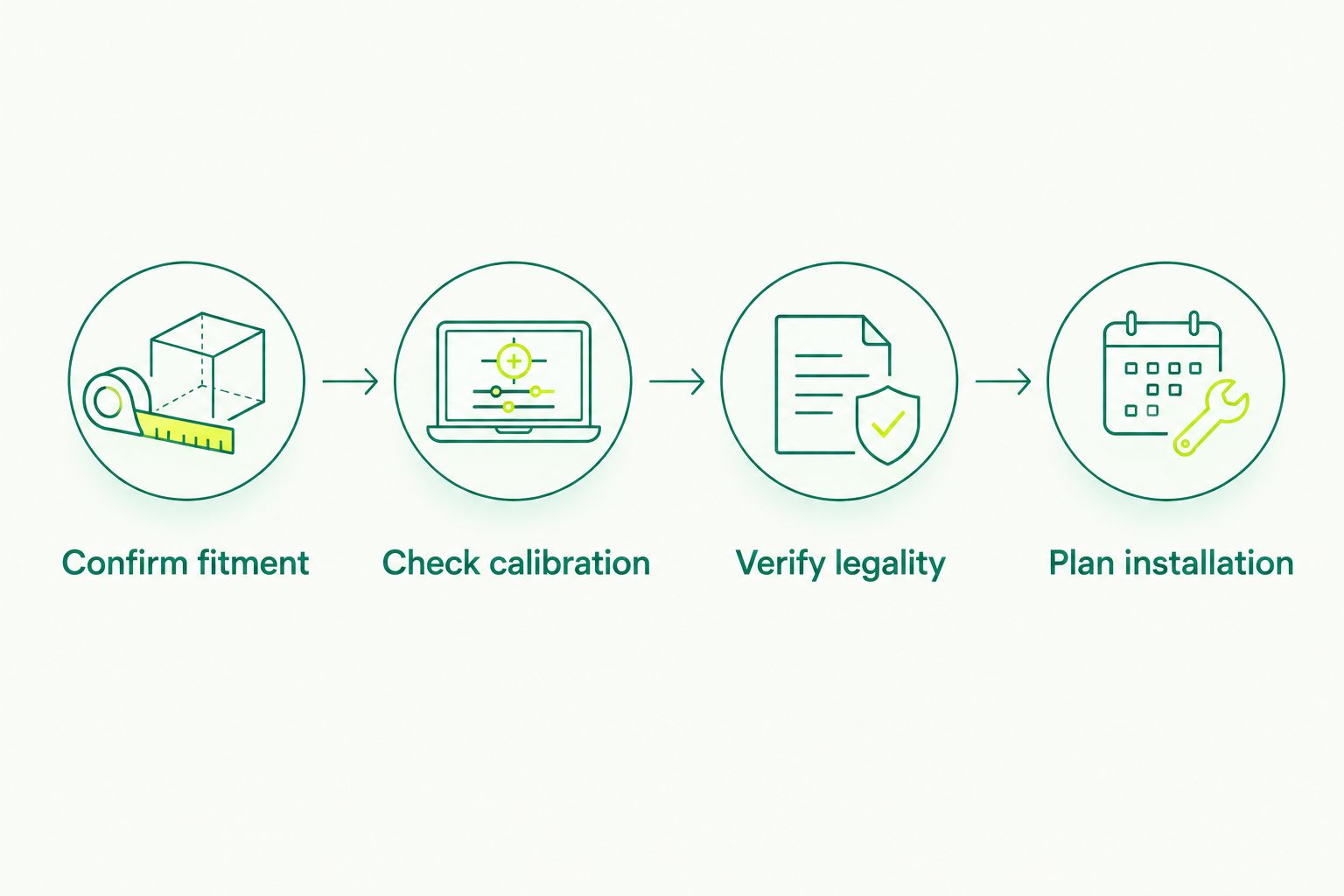
Use this sequence for your 2026 purchase. Clear each step before moving to the next; the product name alone is not enough.
Record your vehicle's model year, engine, and existing intake-related modifications. Match them against the manufacturer's application information and installation instructions. A broad Subaru label does not establish compatibility.
Send the exact intake part number and your modification list to the tuner responsible for the car. Get confirmation about the required calibration before installation. A map intended for another intake is not an interchangeable substitute.
Check the exact part's street-use documentation for your location. California buyers should verify applicable California Air Resources Board Executive Order coverage for the listed vehicle and part, rather than assuming a manufacturer's other approvals apply.
Read the instructions and identify the sensor transfer, clamps, brackets, retained ducts, and filter-service procedure. Follow specified tightening instructions. Schedule any required calibration work before driving the modified car.
Keep 2 documents together: the intake installation instructions and the applicable calibration instructions. They answer different questions, and neither replaces the other. Save the exact part number with your vehicle records so future service does not depend on recognizing a filter from a photo.
This 2026 ranking puts a daily driver's needs first: correct application, calibration support, a defined air source, manageable exposure, and service access. It ranks configurations by those criteria, not by unpublished testing or assumed power gains.
Enclosed systems take the default slot because they provide a housing and air-route arrangement to evaluate. Open-filter systems take the sound-focused slot. Extended routing serves a specific packaging need, while the factory airbox remains the choice when no intake change is required.
PNW Performance is for enthusiasts shopping aftermarket performance parts for their own builds. The right recommendation still starts with the vehicle, not the brand on the box.
For an undecided daily driver, choose an enclosed, vehicle-specific intake only after confirming calibration and legal requirements. That is the default recommendation for this 2026 guide—not a promise that every enclosed kit outperforms every alternative.
Choose an open-filter system when induction sound is your stated priority. Choose extended routing only when its filter location solves a defined problem. Keep the factory airbox when your current setup works and the reason to replace it remains unclear.
Before ordering from PNW Performance or another parts retailer, finish these 3 checks: exact application, exact part number, and compatible calibration. If one remains unresolved, pause the purchase rather than filling the gap with a forum assumption.
What's the best cold air intake kit for Subaru WRX in 2026?
An enclosed, vehicle-specific intake with confirmed calibration support is the default choice for a daily-driven WRX. The exact kit must match your vehicle, existing modifications, and street-use requirements.
Does a Subaru WRX need a tune after an intake installation?
Tuning requirements depend on the exact intake and vehicle application. Confirm the manufacturer's instructions and your tuner's requirements before installation; do not assume physical fit means calibration compatibility.
Is an enclosed WRX intake better than an open-filter intake?
An enclosed intake is the default recommendation for a daily-driven build, while an open-filter intake suits a driver prioritizing induction sound. Neither layout alone proves a horsepower gain or a lower air temperature.
Will a cold air intake make my WRX faster?
The cold air intake label alone does not establish a performance gain. Look for evidence covering the exact vehicle, intake, calibration, and test conditions rather than treating louder sound as proof.
Can I use a WRX STI intake on a WRX?
Use an intake only when the manufacturer's application information explicitly includes your vehicle. WRX and WRX STI labels do not establish interchangeable fitment.
Are low-mounted cold air intakes safe in rain?
A low-mounted filter requires careful inspection of splash exposure and the manufacturer's installation requirements. Rain exposure and driving through standing water are different risks; do not treat a filter cover as waterproofing.
Should I keep the factory WRX airbox?
Keep the factory airbox when it is serviceable and your build does not require a different intake configuration. Use the correct filter and confirm that the complete vehicle setup matches its calibration.
Treat an intake as part of the engine's measurement system, not just a tube and filter. On a mass-airflow-based setup, the sensor housing and airflow around the sensor affect how incoming air is measured.
Make 1 intake-system change at a time and follow the required calibration process. If the car develops a warning light, rough running, or another new symptom, stop hard driving and diagnose the installation. More noise is easy to notice; correct operation is the result that matters.